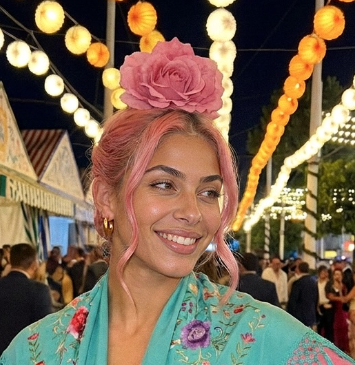
Artificial intelligence has changed almost every corner of the internet. From AI-generated art to AI-written content, technology is reshaping how people create and consume media. One of the most fascinating developments is the rise of AI influencers. Among them, Aitana Lopez has become one of the most talked-about names
In 2026, a growing number of people continue asking the same question: Is Aitana Lopez even real?
The answer is both simple and complicated. Aitana Lopez looks like a real person. She posts photos, shares lifestyle content, promotes brands and interacts with followers.
Yet she does not physically exist. She is an AI-generated influencer created by a creative agency in Spain.
Despite that fact, millions of online users continue to engage with her content, fueling debates about authenticity, transparency and the future of digital creators.
The renewed interest around Aitana Lopez in 2026 is not just about one virtual personality.
It represents a larger discussion about whether AI creators can compete with human influencers and whether audiences care if their favorite online personalities are real.

Also Read: Amy Beck Bio: Why Noah Beck’s Mom Suddenly Went Viral Again
Who Is Aitana Lopez?
Aitana Lopez is an artificial intelligence-generated influencer designed to appear as a real human content creator.
She was created by the Barcelona-based agency The Clueless.
According to reports, the agency wanted a digital personality that could consistently work with brands without many of the challenges associated with traditional influencer campaigns.
Aitana is presented as a fitness enthusiast, gamer, fashion lover and lifestyle creator.
Her social media feeds resemble those of many popular influencers. She shares gym photos, travel-style images, casual selfies and promotional content.
At first glance, there is very little that separates her from human influencers. That is exactly why she became such a phenomenon.
Many users who first discovered her profile assumed she was a real person.
Even after learning that she was AI-generated, many continued following her because they found the content entertaining and visually appealing.
Nos flipa!!!
— The Clueless (@_TheClueless_) February 19, 2024
How Was Aitana Lopez Created?
Aitana was developed using artificial intelligence image-generation technologies combined with creative direction from a human team.
Rather than simply generating random images, her creators built a complete character with:
- A backstory
- Personality traits
- Consistent visual appearance
- Content strategy
- Brand identity
- Audience engagement plans
The creators wanted followers to feel like they were interacting with an actual influencer rather than a digital experiment.
This approach helped Aitana develop a recognizable online presence. The agency carefully crafted her interests, appearance and posting style.
Every image is generated and refined to maintain consistency across posts.
This level of planning is one reason many people initially struggle to recognize that she is not real.
Stats Table
| Category | Details |
|---|---|
| Name | Aitana Lopez |
| Type | AI-Generated Virtual Influencer |
| Created By | The Clueless Agency |
| Country | Spain |
| Base Location | Barcelona |
| First Appearance | July 2023 |
| Main Content | Fitness, Fashion, Gaming, Lifestyle |
| Hair Color | Pink |
| Estimated Age (Character) | Mid-20s |
| Instagram Followers | Hundreds of thousands |
| Reported Monthly Earnings | Up to €10,000 in some months |
| Known For | Being one of the world’s most recognizable AI influencers |
Why Did Aitana Lopez Become Famous?
Several factors contributed to Aitana’s rapid rise.
She Looks Extremely Real
The quality of modern AI-generated imagery has improved dramatically. Many of Aitana’s photos appear indistinguishable from professional influencer photography.
Her realistic facial features, natural-looking poses and detailed environments make her difficult to identify as artificial at first glance.
Media Coverage Fueled Curiosity
When news outlets began reporting that a successful Instagram model was actually AI-generated, public curiosity exploded.
People were fascinated by the idea that a virtual influencer could attract massive engagement and earn significant revenue despite not existing in the physical world.
The Human vs AI Debate
Aitana arrived during a period when discussions about AI were becoming increasingly common. Her success quickly became a symbol of larger questions:
- Can AI replace influencers?
- Will brands prefer virtual creators?
- Do followers care about authenticity?
- What happens to human creators?
These questions remain central to conversations in 2026.
Is Aitana Lopez Actually Real?
The short answer is no. Aitana Lopez is not a living human being.
She is a fictional digital character created with artificial intelligence and managed by a team of people.
However, the reason this question continues to trend is because many internet users mean something deeper when they ask whether she is real.
While Aitana does not physically exist, her social media presence is real.
Her followers are real. Her engagement is real. Her brand partnerships are real. Her impact on influencer culture is real.
This creates an unusual situation where a fictional character has genuine influence over audiences and marketing campaigns.
How Much Money Does Aitana Lopez Make?
One of the biggest reasons people became interested in Aitana was the revenue she reportedly generates.
Various reports have stated that the AI influencer can earn thousands of euros per month through sponsorships, partnerships and subscription-based content platforms.
Some reports indicate that monthly earnings have reached as high as €10,000 during particularly successful periods.
Like human influencers, Aitana monetizes her audience through:
- Sponsored posts
- Brand collaborations
- Ambassador partnerships
- Premium content platforms
- Marketing campaigns
This financial success demonstrated that virtual personalities could become legitimate business assets.
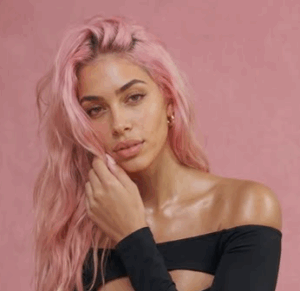
Why Brands Like AI Influencers
Many companies see advantages in working with AI-generated personalities.
Complete Creative Control
Brands and agencies can control every aspect of a virtual influencer’s appearance and messaging. There are no scheduling conflicts, travel limitations or unexpected controversies.
Consistent Branding
AI influencers can maintain a carefully designed image across every campaign. Their appearance never changes unexpectedly and content can be produced on demand.
Lower Long-Term Costs
Although creating a sophisticated virtual influencer requires investment, brands may save money compared to ongoing collaborations with major human influencers.
Global Scalability
AI personalities can be adapted for different audiences and languages while maintaining a consistent identity. This scalability makes them attractive to international brands.
Why Some People Oppose AI Influencers
Not everyone welcomes the rise of virtual creators. Critics have raised several concerns.
Authenticity Issues
Many users follow influencers because they enjoy learning from real experiences. AI influencers cannot truly travel, exercise, experience emotions, or use products in the same way humans can. This creates questions about authenticity.
Transparency Concerns
Some critics worry that audiences may not always realize they are interacting with AI-generated personalities. Clear labeling and disclosure remain ongoing topics of discussion.
Impact on Human Creators
As virtual influencers become more sophisticated, some fear they could reduce opportunities for human content creators. Brands seeking lower costs and greater control may choose AI personalities instead.
Unrealistic Beauty Standards
AI-generated influencers can be designed to look nearly perfect. Some observers argue this may contribute to unrealistic expectations around beauty and appearance.
Also Read: Bhad Bhabie: Bio Career, Health Battle and Life in 2026
Why the Debate Is Exploding Again in 2026
Interest in Aitana Lopez has returned strongly in 2026 because the broader AI creator industry has matured significantly. Several trends are driving renewed attention.
AI Content Is Everywhere
People encounter AI-generated images, videos, voices and social media content daily. As AI becomes more common, audiences are increasingly questioning what is real and what is artificial.
AI Influencers Are Improving
Modern AI systems produce more realistic content than ever before. Distinguishing between human and AI creators has become harder, leading to fresh discussions about disclosure and trust.
Brands Are Experimenting More
Major companies continue exploring AI-generated marketing campaigns. Each successful campaign raises new questions about the future role of human creators.
Public Curiosity Remains High
People are naturally fascinated by technology that blurs the line between fiction and reality. Aitana Lopez remains one of the most recognizable examples of that phenomenon.

Human Influencers vs AI Influencers
The debate is often framed as a competition but the reality may be more nuanced.
Strengths of Human Influencers
Human creators offer:
- Genuine life experiences
- Emotional storytelling
- Authentic opinions
- Personal connections
- Cultural relevance
Followers often connect with the vulnerability and relatability of real people.
Strengths of AI Influencers
AI creators provide:
- Consistent branding
- Unlimited content production
- Creative flexibility
- Full control over messaging
- Lower operational complexity
These advantages appeal to many brands and agencies.
The Likely Future
Many experts believe the future will include both human and AI creators rather than one replacing the other.
Human influencers may focus on authenticity and personal storytelling, while AI influencers handle certain marketing and entertainment roles.
What Followers Think About Aitana Lopez
Public reactions to Aitana vary widely. Some followers are impressed by the technology and enjoy watching the evolution of AI-generated content.
Others feel uncomfortable with virtual influencers because they believe social media already struggles with authenticity.
Online discussions frequently reveal both fascination and skepticism.
Many users acknowledge that even after learning Aitana is AI-generated, they still find her content engaging. This reaction highlights a surprising reality.
For many internet users, entertainment value matters more than whether a creator is physically real.
The Bigger Impact of Aitana Lopez
Aitana’s significance goes beyond follower counts and sponsorship deals.
She has become a case study for:
- AI-generated marketing
- Digital identity
- Influencer economics
- Social media authenticity
- Online trust
Her success demonstrates how rapidly technology is transforming the creator economy.
Just a few years ago, the idea of an AI influencer competing with human creators seemed futuristic. Today, it is a commercial reality.
FAQ’s
Who is Aitana Lopez?
Aitana Lopez is an AI-generated virtual influencer created by the Barcelona-based agency The Clueless. She is known for fashion, fitness, gaming and lifestyle content on social media.
Is Aitana Lopez a real person?
No. Aitana Lopez is not a real human being. She is a fictional digital character created using artificial intelligence and managed by a creative team.
Where is Aitana Lopez from?
Her character is presented as being from Barcelona, Spain.
Who created Aitana Lopez?
She was created by Rubén Cruz and the agency The Clueless.
How much money does Aitana Lopez make?
Reports have suggested earnings ranging from several thousand euros per month, with some months reaching around €10,000 through sponsorships and other monetization methods.
Why is Aitana Lopez famous?
She became famous because she is one of the most realistic and commercially successful AI influencers in the world. Her appearance sparked widespread debate about the future of digital creators.
Can AI influencers replace human influencers?
Most experts believe AI influencers will complement rather than completely replace human creators. Human authenticity and personal experiences remain valuable advantages.
Why are people discussing Aitana Lopez again in 2026?
Growing interest in artificial intelligence, improved AI content generation and ongoing debates about authenticity have renewed attention on Aitana and other virtual influencers.
Conclusion
Aitana Lopez is not a real person, but she is undeniably a real force in the modern creator economy.
Since her debut, she has become one of the most recognizable AI influencers in the world, attracting hundreds of thousands of followers and generating significant media attention.
The reason people continue searching for her in 2026 is not simply because she is AI-generated.
It is because she sits at the center of a much larger conversation about technology, authenticity, creativity and the future of online influence. As AI continues to evolve, the line between human creators and digital personalities may become even harder to identify.
Whether people embrace or resist that change, Aitana Lopez has already secured her place as one of the most important examples of the AI influencer era.
Also Read: Colleen Ballinger Bio: Rise, Controversy and Life After Backlash